A modern operation theatre needs more than surgical lights and an operating table. Medical teams also need convenient access to medical gases, electrical outlets, data connections, and essential equipment during procedures. Managing these services around the operating table can become difficult when cables and equipment occupy valuable floor space.
This is where a surgical pendant becomes useful. Installed from the ceiling, it helps organise medical utilities and equipment within easy reach of healthcare professionals. For hospitals planning a new operation theatre or upgrading an existing one, choosing the right OT pendant can make a practical difference to daily workflow.
What Is a Surgical Pendant in an Operation Theatre?
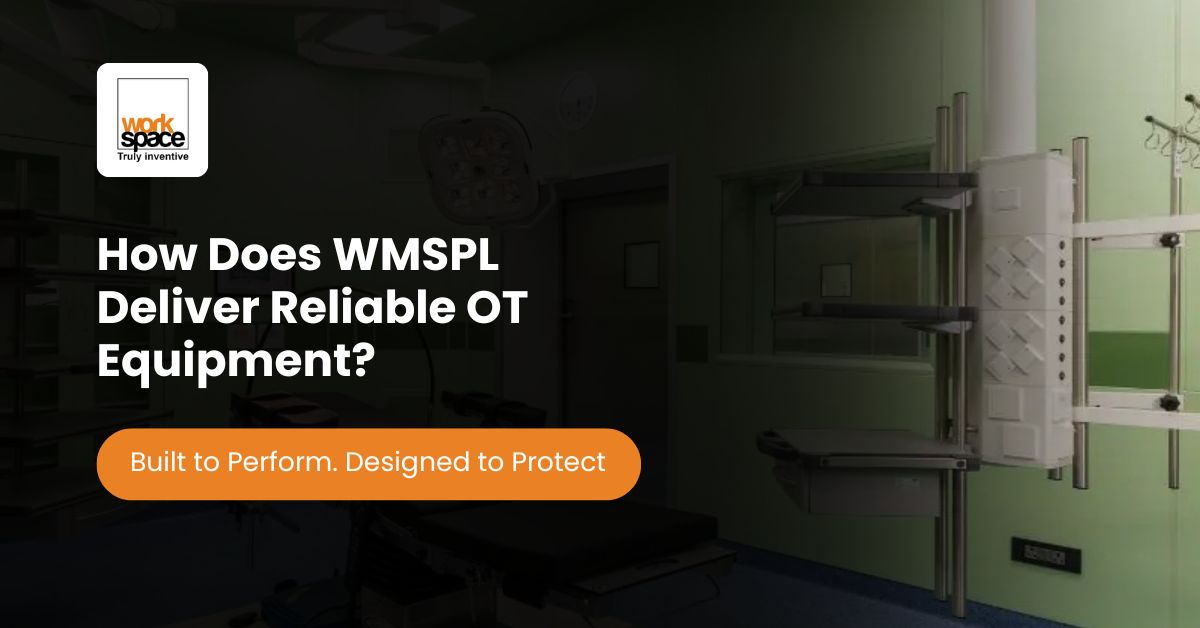
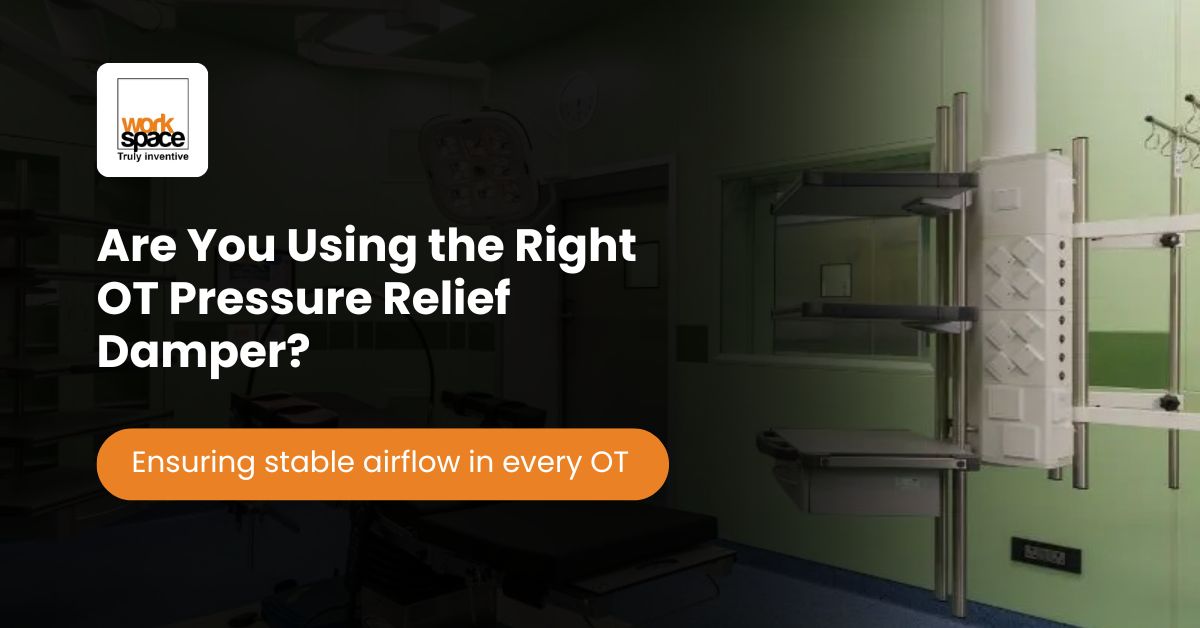
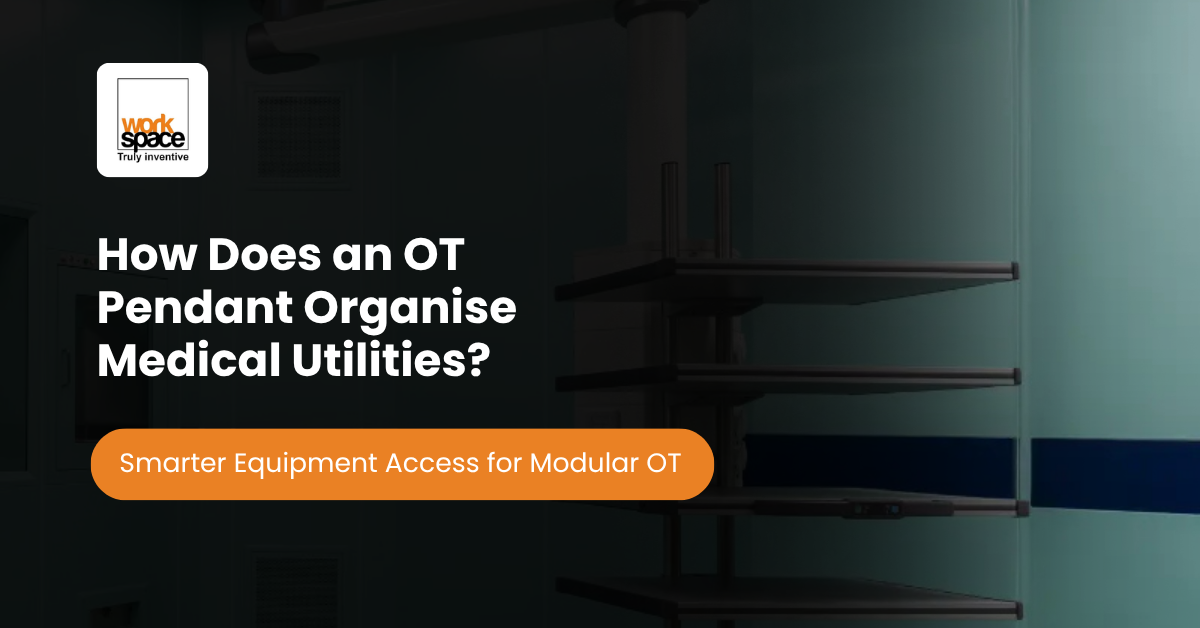
A surgical pendant is a ceiling-mounted medical equipment support system designed to bring essential utilities and accessories closer to the surgical team. Depending on its configuration, it can accommodate medical gas outlets, electrical sockets, data connections, shelves, drawers, monitor arms, and other accessories.
Unlike equipment placed on the floor, a ceiling-mounted pendant helps keep utility connections organised around the operating area. Its position and configuration should be planned according to the room layout, medical equipment, and requirements of the clinical team.
1. Keeps Medical Utilities Organised
During surgery, medical staff need convenient access to different utility connections. Searching for an available outlet or managing loose cables can make an already busy workspace harder to organise.
An OT pendant brings designated medical gas connections, electrical outlets, and data points into a centralised arrangement. This helps staff access the required connections without spreading every utility across the floor.
The final configuration should be determined by the equipment being used, the intended procedures, and the hospital’s technical requirements.
2. Makes Better Use of Operation Theatre Space
Floor space is valuable in an operation theatre. The surgical team needs room to move, position equipment, and respond to changing clinical requirements.
A ceiling-mounted surgical pendant can reduce the need for separate floor-standing utility supports and help keep cables and accessories more organised. Where provided, adjustable arms let you change equipment position to suit the working arrangement.
This can be particularly useful in modular operation theatres, where equipment placement must work alongside the room layout, lighting, and other installed systems.
3. Supports a More Efficient Surgical Workflow
Every surgical procedure involves coordination between surgeons, anaesthetists, nurses, and other healthcare professionals. Frequently moving equipment or reaching for utility connections can interrupt the team’s routine.
A properly positioned medical pendant helps keep selected equipment and connections within reach. Shelves, monitor arms, and other accessories can be configured according to the intended use of the room.
However, the benefits depend on suitable planning. The pendant’s position, reach, and rotation should be checked against the operating table, surgical lights, and surrounding equipment before installation.
4. Helps Maintain an Organised Working Environment
Loose cables and poorly arranged equipment can create obstacles around the operating area. A surgical pendant provides a designated structure for routing utilities and supporting selected equipment.
A more organised arrangement can make routine cleaning and housekeeping easier to manage. The pendant itself must also be designed, installed, and maintained according to the hospital’s hygiene and safety requirements.
It is important to remember that a pendant alone does not prevent infections or guarantee patient safety. Proper cleaning, maintenance, staff practices, and the wider operation theatre design remain essential.
5. Offers Flexible Configurations for Different Departments
Not every healthcare department requires the same pendant arrangement. A major operation theatre may need a different configuration from an ICU, CCU, emergency room, or minor surgical suite.
Hospitals should consider the required arm length, rotation, mounting height, load capacity, utility outlets, and accessories before selecting a model. Manual and motorised options may also be available, depending on the product range.
Planning these details in advance helps ensure the selected pendant suits the department’s actual working requirements.
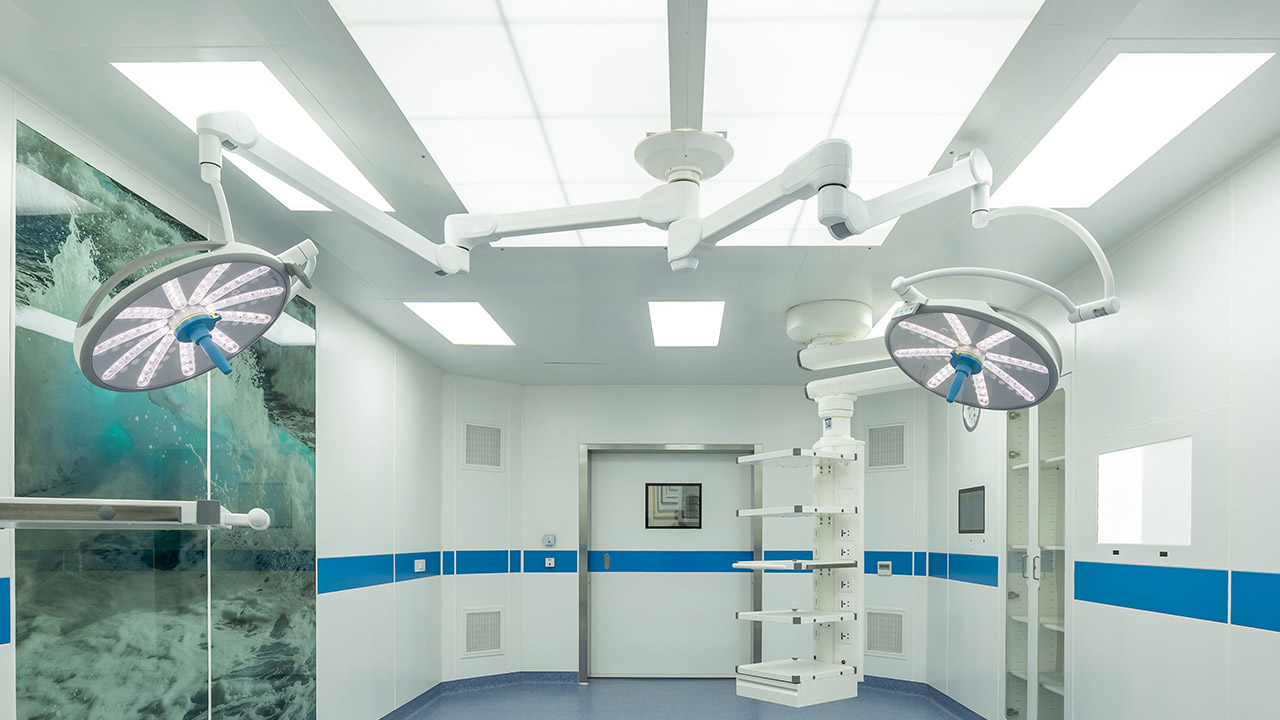
Workspace ORbeX™ OT Pendant by WMSPL
Workspace Metal Solutions Pvt. Ltd. (WMSPL) offers the Workspace ORbeX™ OT Pendant, developed in collaboration with MZ Liberec. According to the product information on the official WMSPL OT pendant page, the system is designed to organise medical gases, power, data connections, and equipment through a ceiling-mounted arrangement.
The product page describes single-arm and dual-arm configurations, with customisation options for arm length, rotation, height, trays, and ports. It also lists applications across operation theatres, ICUs, CCUs, emergency rooms, and other clinical environments.
Hospitals can discuss the required configuration, equipment accessories, installation arrangements, and site-specific needs with WMSPL before selecting a suitable system.
Conclusion
A surgical pendant is an important part of planning a well-organised modern operation theatre. By bringing medical utilities and selected equipment into an accessible ceiling-mounted arrangement, it can help reduce floor clutter, support workflow, and make better use of available space.
Hospitals should evaluate the pendant’s configuration, compatibility, safety requirements, installation, and maintenance needs before making a purchase. Selecting a system that matches the clinical team’s requirements helps create a more practical working environment for everyday healthcare operations.
Why Choose Workspace Metal Solutions
Workspace Metal Solutions Pvt. Ltd. offers top-notch components for OT assembly and production. With more than 12 years of experience, the company creates OT setups that are tailored to international standards and come with laminar air flow systems. These solutions enhance surgical results, safeguard vital OT equipment, and guarantee sterile conditions.
Frequently Asked Questions (FAQ)
A surgical pendant organises medical gas connections, electrical outlets, data points, and selected equipment in a ceiling-mounted system for convenient access during clinical procedures.
An OT pendant can help reduce floor clutter, organise utility connections, improve equipment accessibility, and support a more efficient working arrangement.
A single-arm model uses one supporting arm, while a dual-arm model provides two arms for greater positioning flexibility. The appropriate option depends on the room layout and required equipment.
Depending on their design and configuration, medical pendants can be used in operation theatres, ICUs, CCUs, emergency rooms, and selected procedure or diagnostic areas.
WMSPL’s Workspace ORbeX™ product page describes customisation options for arm length, rotation, height, trays, and ports. Hospitals can contact WMSPL to discuss their specific requirements.