Key Factors to Consider When Planning an Operation Theater
Imagine walking into a hospital where every second matters. A patient is being prepared for surgery, doctors are focused, nurses are ready, and every piece of equipment is exactly where it should be. This smooth coordination doesn’t happen by chance—it starts with proper operation theater planning.
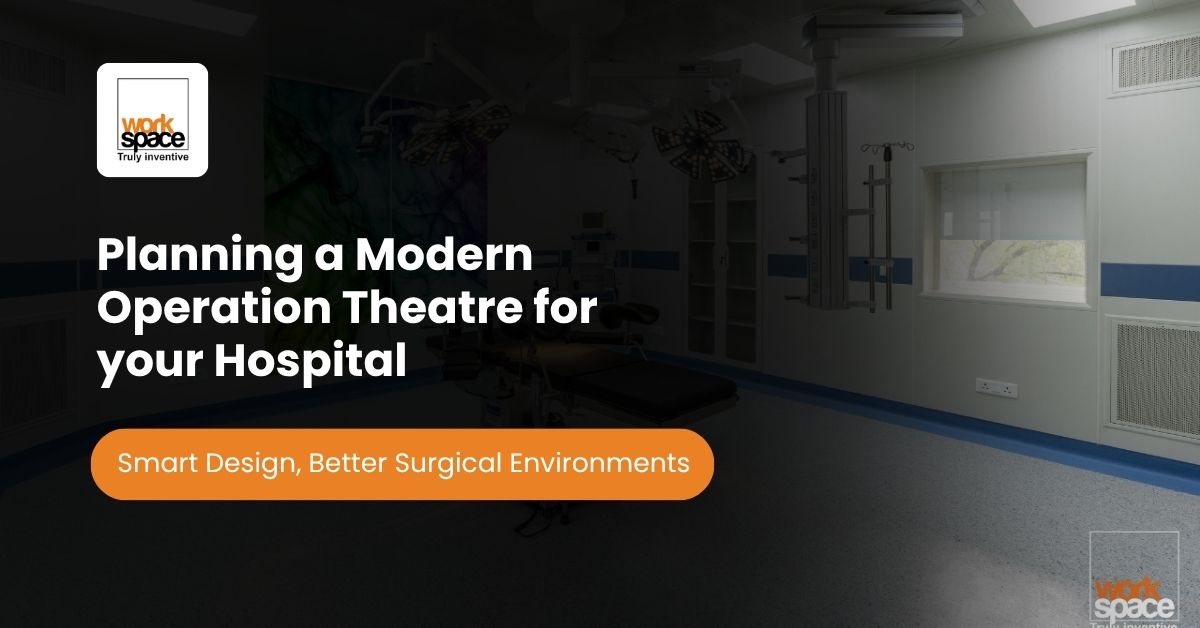
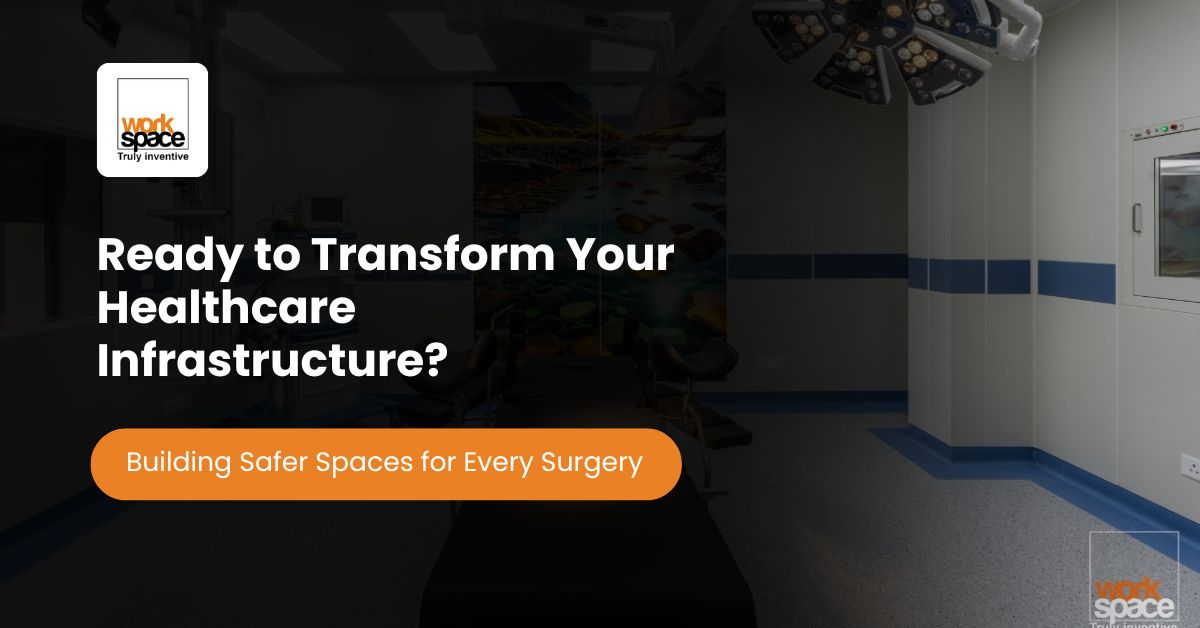
An operation theater is one of the most critical spaces in any hospital. A well-designed theater improves patient safety, supports medical staff, and ensures successful surgical procedures. Whether you are building a new hospital or upgrading an existing facility, understanding the right planning factors is essential.
Let’s explore the most important factors to consider before planning an operation theater.
Choose the Right Operation Theater Layout
The first step is selecting a layout that supports efficient workflow.
A good operation theater setup should provide:
- Easy movement for surgeons and nurses
- Separate sterile and non-sterile zones
- Dedicated entry and exit paths
- Quick access to emergency equipment
- Proper storage for surgical supplies
A poor layout can increase surgery time and infection risks, making planning one of the most important stages.
Consider a Modular Operation Theater
Today, many hospitals prefer a modular operation theater because it offers flexibility, hygiene, and faster installation.
Benefits include:
- Smooth antibacterial wall panels
- Easy cleaning and maintenance
- Better infection control
- Faster construction compared to conventional OTs
- Easy future expansion or upgrades
A modular operation theater also helps hospitals meet international healthcare standards while reducing maintenance costs.
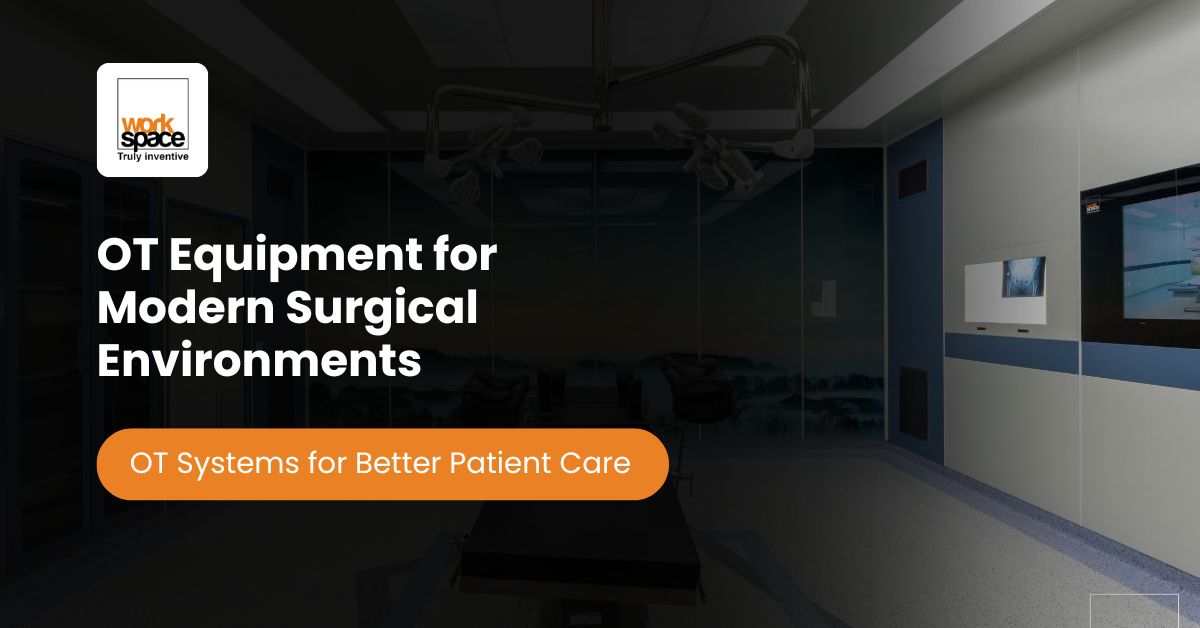
Select High-Quality Operation Theater Equipments
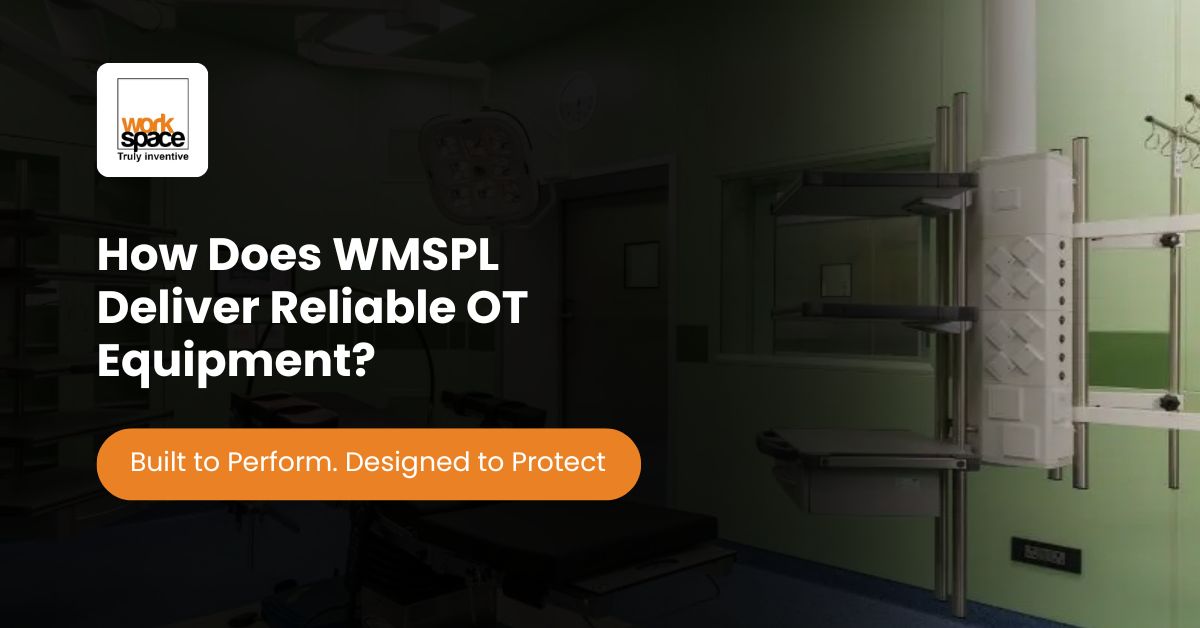
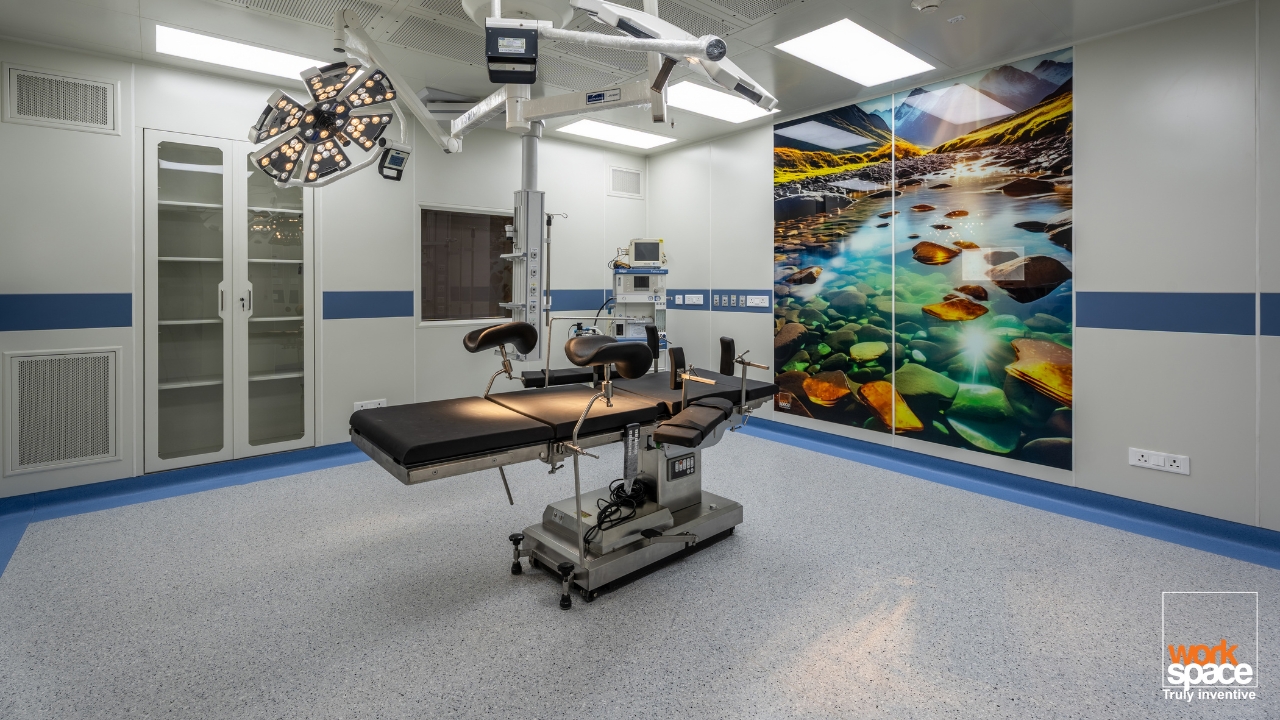
Even the best-designed OT cannot perform efficiently without reliable operation theater equipments.
Some essential equipment includes:
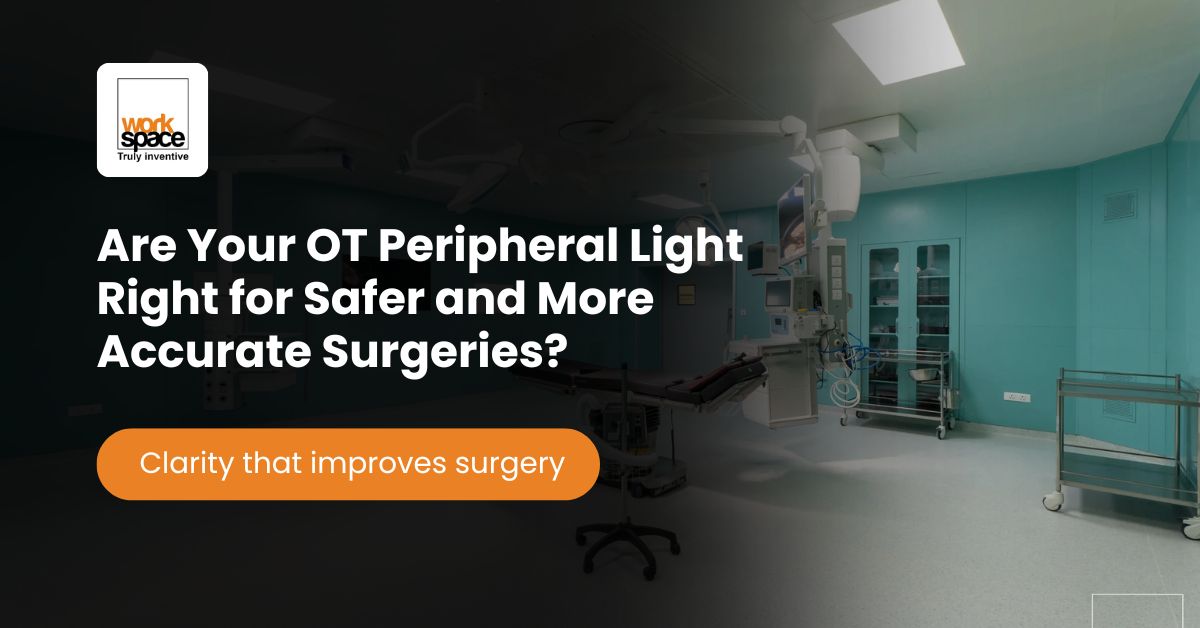
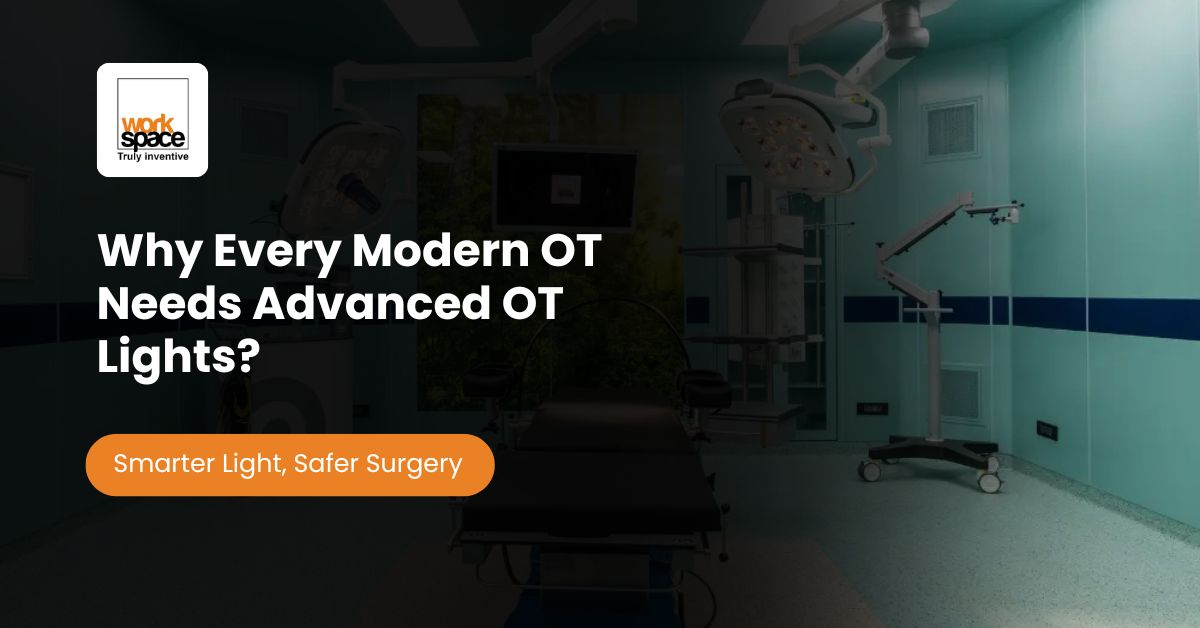
- Surgical lights
- Operation table
- Medical pendants
- Anesthesia workstation
- Laminar airflow system
- Medical gas pipeline
- OT control panel
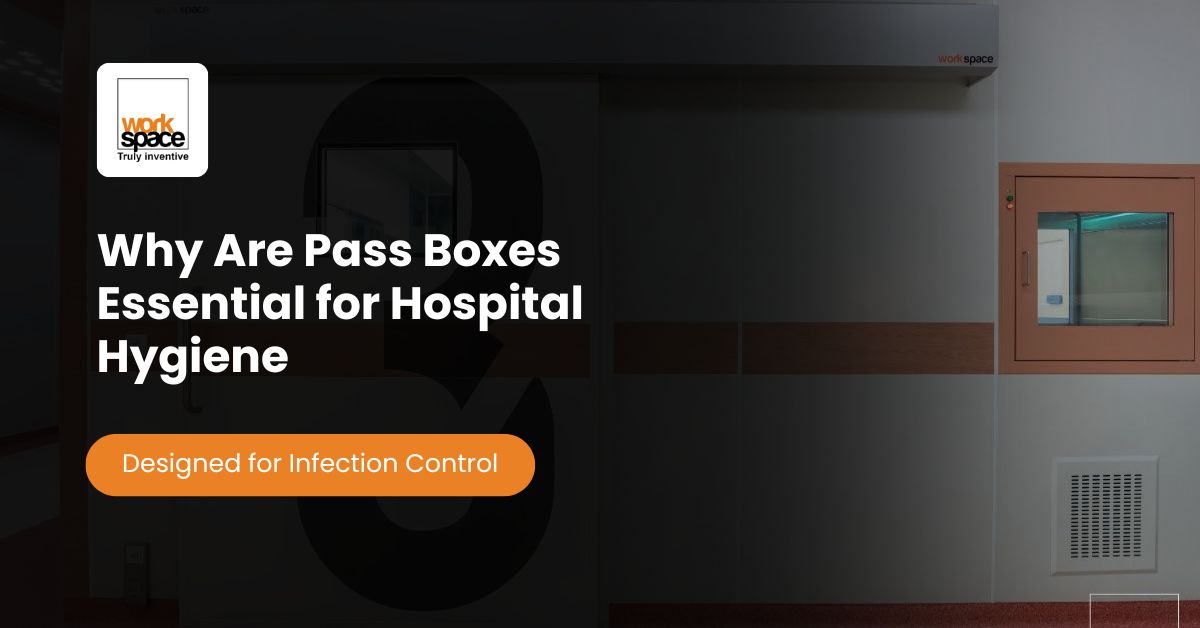
- Pass box
- Scrub station
- X-ray viewing panel
Every equipment should be placed for easy accessibility while maintaining a sterile environment.
Focus on Infection Control
Patient safety always comes first.
An ideal operation theater should include:
- HEPA filtration systems
- Positive air pressure
- Seamless wall panels
- Anti-bacterial surfaces
- Proper drainage system
- Controlled temperature and humidity
These features significantly reduce airborne contamination and surgical site infections.
Proper Ventilation and Air Quality
Modern operation theater setup should include:
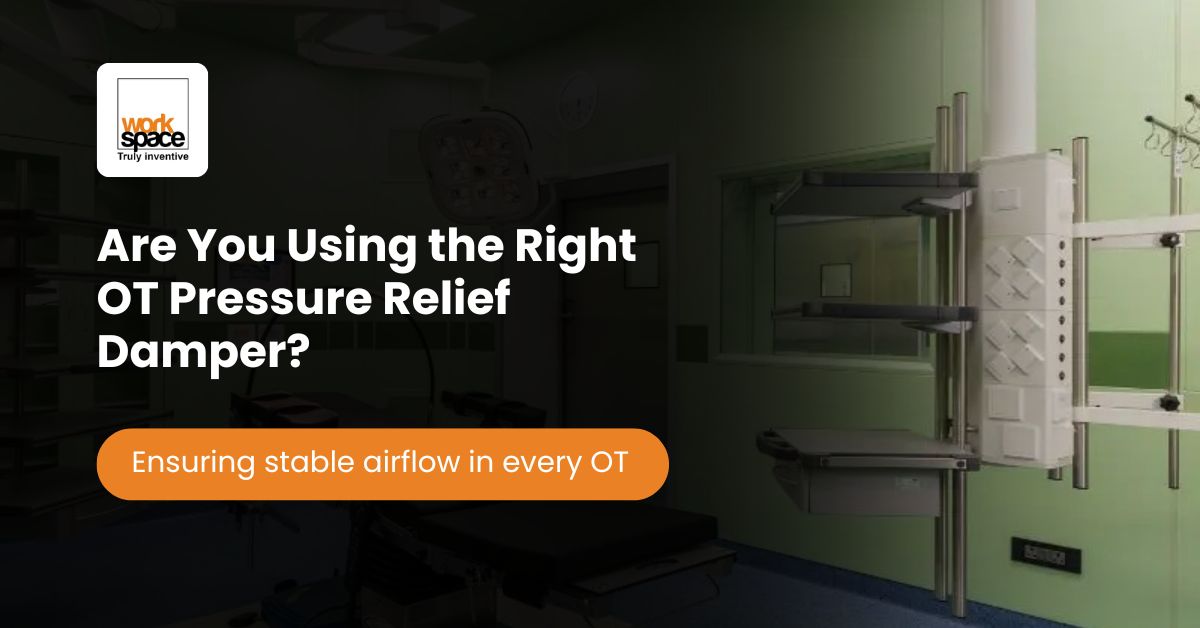
- Laminar airflow systems
- HEPA filters
- Controlled air changes per hour (ACH)
- Temperature between 20°C and 24°C
- Relative humidity between 40% and 60%
Clean air protects both patients and healthcare professionals.
Follow Medical Standards and Regulations
Every operation theater setup must comply with healthcare regulations and hospital standards.
Planning should consider:
- Fire safety requirements
- Electrical safety
- Medical gas systems
- Biomedical waste management
- NABH guidelines
- International infection control standards
Compliance ensures patient safety and simplifies hospital accreditation.
Conclusion
Planning an operation theater is much more than designing a surgical room. It requires careful attention to workflow, hygiene, technology, safety, and future expansion. Choosing the right modular operation theater, installing quality operation theater equipments, and working with an experienced operation theater manufacturer can significantly improve surgical efficiency and patient outcomes.
Every hospital has unique requirements, but thoughtful planning always leads to safer surgeries, happier medical staff, and better healthcare services.
Why Choose Workspace Metal Solutions
Workspace Metal Solutions Pvt. Ltd. offers top-notch components for OT assembly and production. With more than 12 years of experience, the company creates OT setups that are tailored to international standards and come with laminar air flow systems. These solutions enhance surgical results, safeguard vital OT equipment, and guarantee sterile conditions.
Frequently Asked Questions (FAQ)
The most important factor is maintaining a sterile environment while ensuring efficient workflow, proper ventilation, and easy access to surgical equipment.
A modular operation theater offers better infection control, faster installation, easier maintenance, flexibility, and compliance with modern healthcare standards.
Essential operation theater equipments include OT tables, surgical lights, anesthesia machines, pendants, laminar airflow systems, medical gas pipelines, OT control panels, and scrub stations.
Choose an operation theater manufacturer with experience, healthcare certifications, customization capabilities, quality materials, installation support, and after-sales service.
A complete operation theater setup should include proper ventilation, infection control systems, surgical lighting, medical gas pipelines, OT equipment, seamless wall panels, electrical systems, and safety compliance.