
Efficient workflow is the backbone of a functional modular operation theatre. Every component – be it the design, staff or equipment – contributes to the overall safety and productivity of the surgical environment. An often overlooked but critical part of operation theatre equipment is the dynamic pass box. It serves a vital function in maintaining sterile conditions and streamlining the movement of materials, which directly impacts workflow and infection control.
What Is a Dynamic Pass Box?
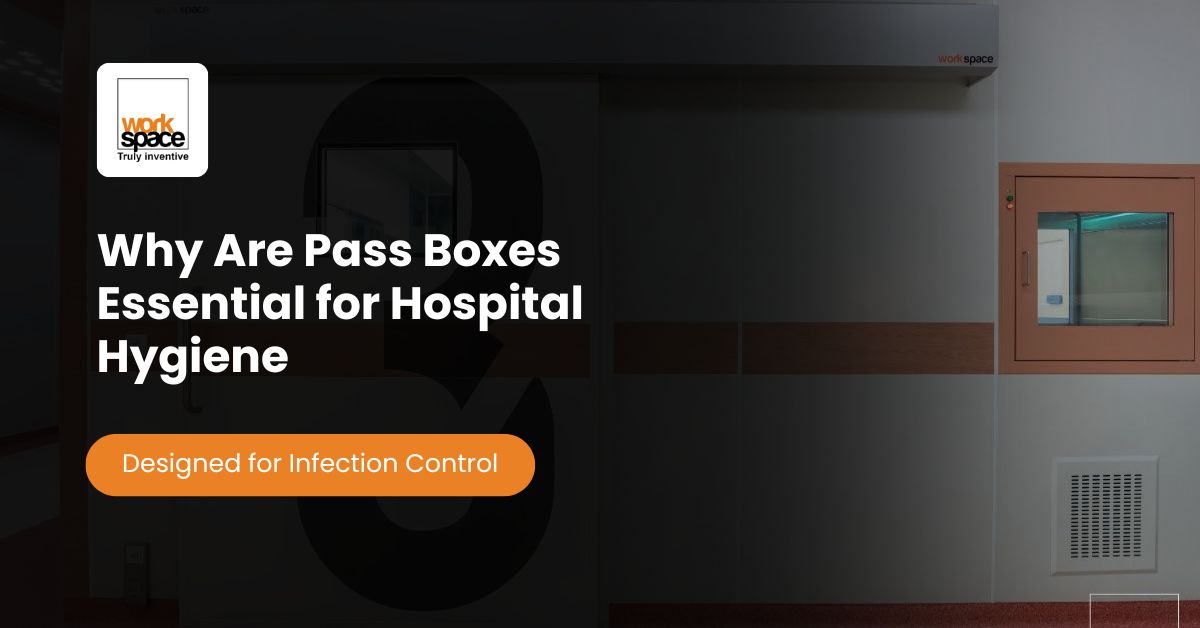
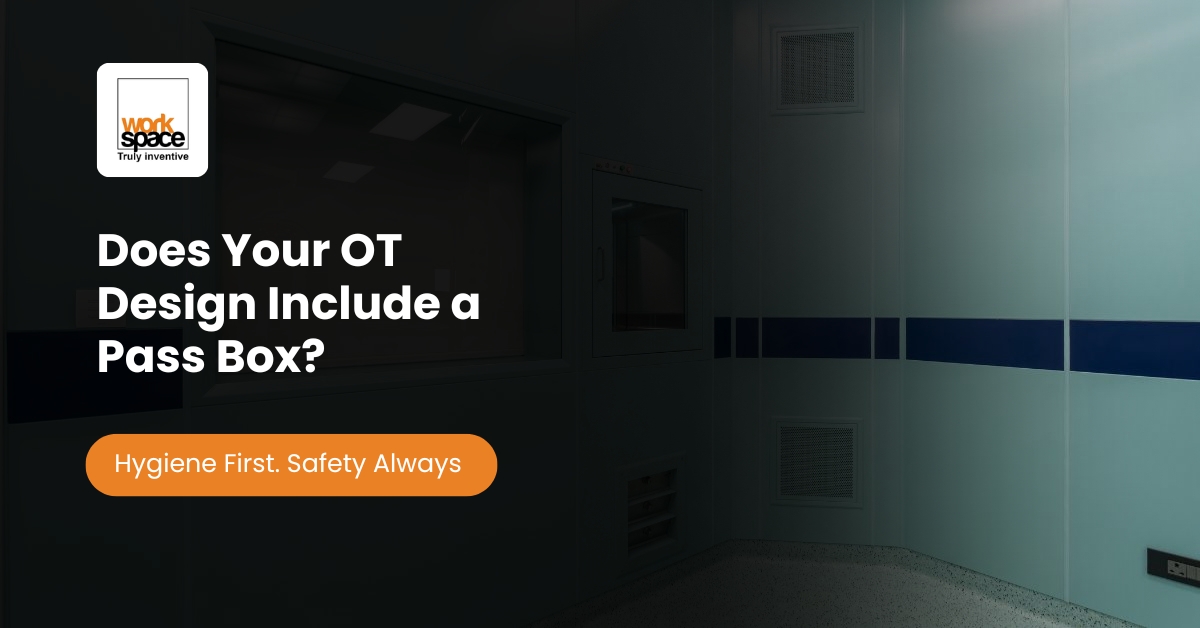
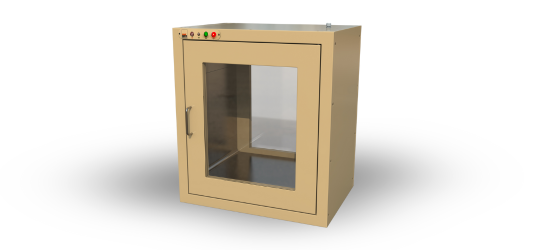
In an OT design, a Dynamic Pass Box is a specially made tool that moves materials from a non-sterile area to a sterile zone while keeping contaminants out. A dynamic unit has a blower system and HEPA filtration, which makes it appropriate for transitions between areas with varying levels of cleanliness. This is in contrast to a static pass box, which is usually employed between two clean regions of equal classification.
Dynamic pass box unit come equipped with interlocking doors, ensuring that only one side can be opened at a time, thereby minimizing cross-contamination. The inbuilt filtration helps purge the box of particulates before the transfer of items, helping maintain the sterile field in the operation theatre.
Why Workflow Optimization Matters in Modular OTs
The efficiency of an operation theatre depends heavily on how well the space is designed and how effectively tools and materials move within it. Uninterrupted surgical procedures require a smooth and contamination-free supply of surgical tools, medications, and samples. Any delays or breaches in protocol can lead to compromised patient safety or extended OT times.
In this system, a dynamic pass box is essential. It lowers the possibility of microbial contamination by enabling the prompt and sterile transfer of materials without requiring human movement across sterile zones. This greatly enhances the cleanliness and organization of the workplace.
Dynamic vs Static Pass Box: Understanding the Difference
While both devices serve the purpose of safe material transfer, the core difference lies in airflow and intended usage:
- A Static Pass Box is suitable for cleanroom-to-cleanroom transfer. It has no ventilation or filtration system, which makes it unfit for use between areas with differing cleanliness classes.
- A Dynamic Pass Box, on the other hand, is ideal for transferring between general and sterile areas in a modular operation theatre. It features forced air circulation through HEPA filters to keep the environment clean, thereby supporting better infection control protocols.
Choosing between them depends on how the OT is laid out and what it needs. When the theatre handles high-risk procedures or sees supplies moving in and out constantly, opting for a Dynamic Pass Box offers stronger protection and noticeably boosts overall efficiency.
How Dynamic Pass Box Contribute to Workflow Optimization
Choosing the Right Partner for Pass Box Installation
1. Maintaining Sterility Without Staff Movement
Keeping movement in sterile zones to a minimum is crucial. A Dynamic Pass Box lets instruments, disposables, and medicines pass through without anyone having to step in or out of the sterile area, which helps preserve air-pressure balance and cleanroom standards.
2. Improved Time Management
By reducing the need to repeatedly put on and take off gowns, dynamic pass box save valuable time, ensuring that materials get to the required location quickly. This makes transitions between surgical cases easier and reduces time in the operation theatre.
3. Consistent Compliance with Hygiene Protocols
Infection control is always under the spotlight in hospitals and surgical centers. A Dynamic Pass Box supports these efforts by using interlocking doors and maintaining positive pressure inside, making it harder for contaminants to enter the OT and helping meet hygiene standards more consistently.
4. Support for Modular OT Design Standards
In today’s OT designs, keeping spaces clean, efficient, and compliant is a top priority. Adding a dynamic pass box into the layout makes meeting NABH and other accreditation standards simpler—without the need for major renovations or extra staffing.
5. Versatility in Operation Theatre Equipment Integration
A Dynamic Pass Box can be custom fitted into walls or built right into modular wall systems, offering flexibility whether it’s a new setup or a retrofit. It blends easily with other operation theatre equipment, becoming a natural part of the overall setup.
Proper planning, quality of manufacturing, and installation precision all influence how effective a Dynamic Pass Box will be. The choice of supplier and service provider can make a significant difference in the long-term reliability of these systems.
Workspace Metal Solutions supplies high-quality operation theatre equipment, including both Dynamic and Static Pass Boxes, as well as complete modular OT setups. With strong attention to cleanroom standards, air pressure control, and maintaining sterile conditions, the company is a trusted choice for hospitals and healthcare centers across India.
To find out more about how these devices help modular OTs improve infection control and streamline processes, visit wmspl.co.in.
F.A.Q.
A Dynamic Pass Box is used to transfer materials from a non-sterile to a sterile environment while preventing contamination using HEPA filtration and airflow systems.
Not ideally. A Static Pass Box lacks filtration and is only suitable for areas of equal cleanliness class. Dynamic units are preferred where contamination risks are higher.
Routine maintenance, including HEPA filter checks and door interlock testing, should be scheduled monthly or quarterly depending on OT usage.
Dynamic pass boxes
are most suitable for modular OTs and high-risk environments where sterility is critical. Selection depends on OT classification and surgical procedures performed.
Yes, dynamic pass box helps meet hygiene, safety, and infrastructure standards required by accrediting bodies.