Choosing the right operation theatre manufacturer is an important decision when planning a new hospital or upgrading an existing surgical facility. An operation theatre is a specialised space where doctors and surgical teams need a clean, organised, and reliable environment to perform procedures. Every detail, from the room layout to the selection of equipment, plays a role in supporting the medical team’s daily work.
Hospitals should look beyond the initial cost when selecting an operation theatre manufacturer. Product quality, design experience, equipment compatibility, installation support, and long-term maintenance are all important factors to consider.
Understand Your Hospital's Requirements
Every hospital has different surgical requirements. A general surgery OT may need a different layout and equipment arrangement compared with a cardiac, orthopaedic, neurosurgery, or gynaecology operation theatre.
Before selecting a manufacturer, assess the types of procedures performed, available floor space, expected patient volume, and the needs of the surgical team. These details help determine the right room layout, equipment selection, and workflow.
A manufacturer that understands these requirements can recommend an operation theatre design that makes better use of the available space while supporting the hospital’s operational needs.
Check the Operation Theatre Design Capabilities
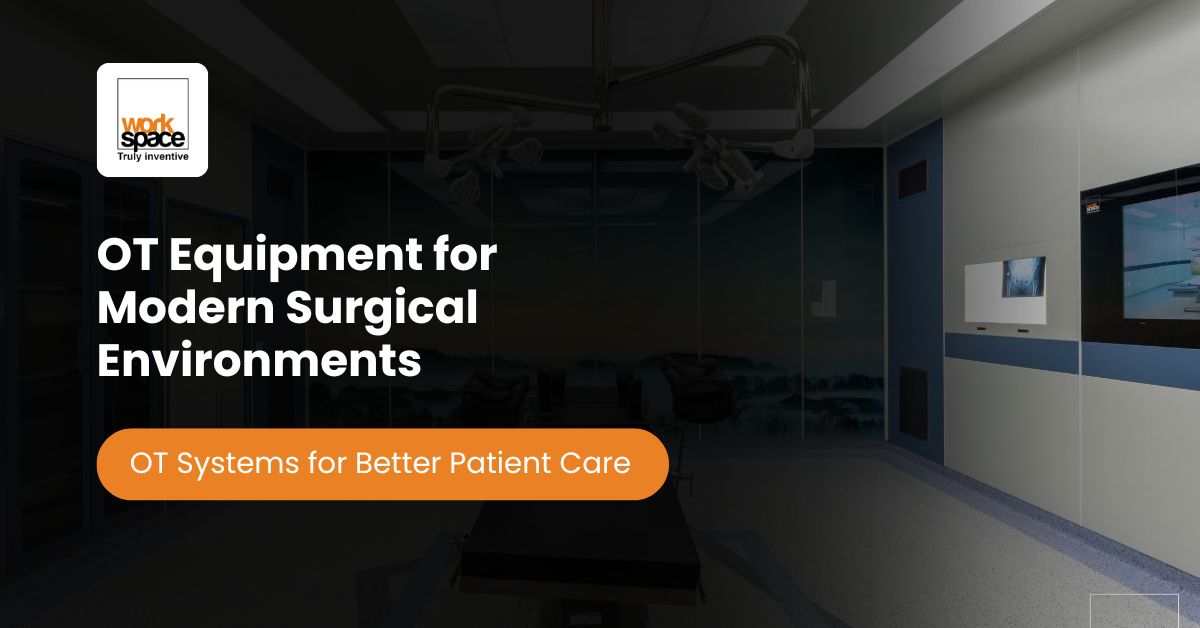
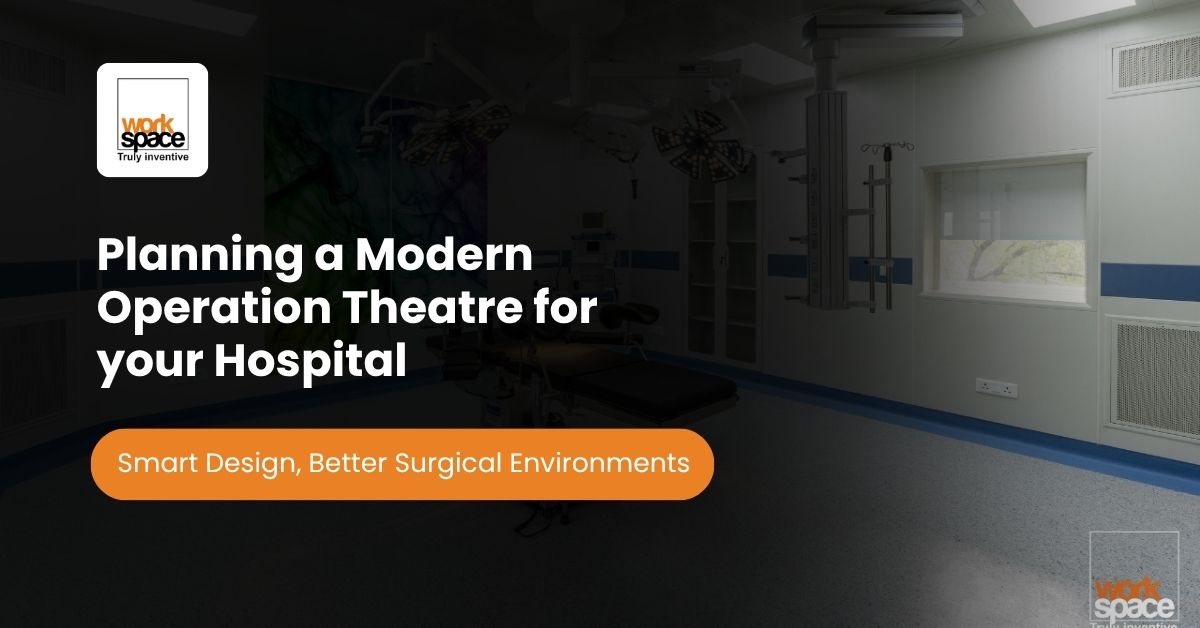
Good operation theatre design involves more than arranging equipment inside a room. It requires careful planning of movement, access, hygiene, lighting, and the placement of essential medical equipment.
The design should allow surgeons, nurses, anaesthetists, and other healthcare professionals to work comfortably without unnecessary movement or congestion. Equipment positions should be planned according to the procedures performed and the working preferences of the medical team.
Hospitals should also consider the placement of OT doors, scrub sinks, operating lights, surgical pendants, and other required equipment during the planning stage.
Working with an experienced operation theatre manufacturer helps bring these requirements together in a practical design.
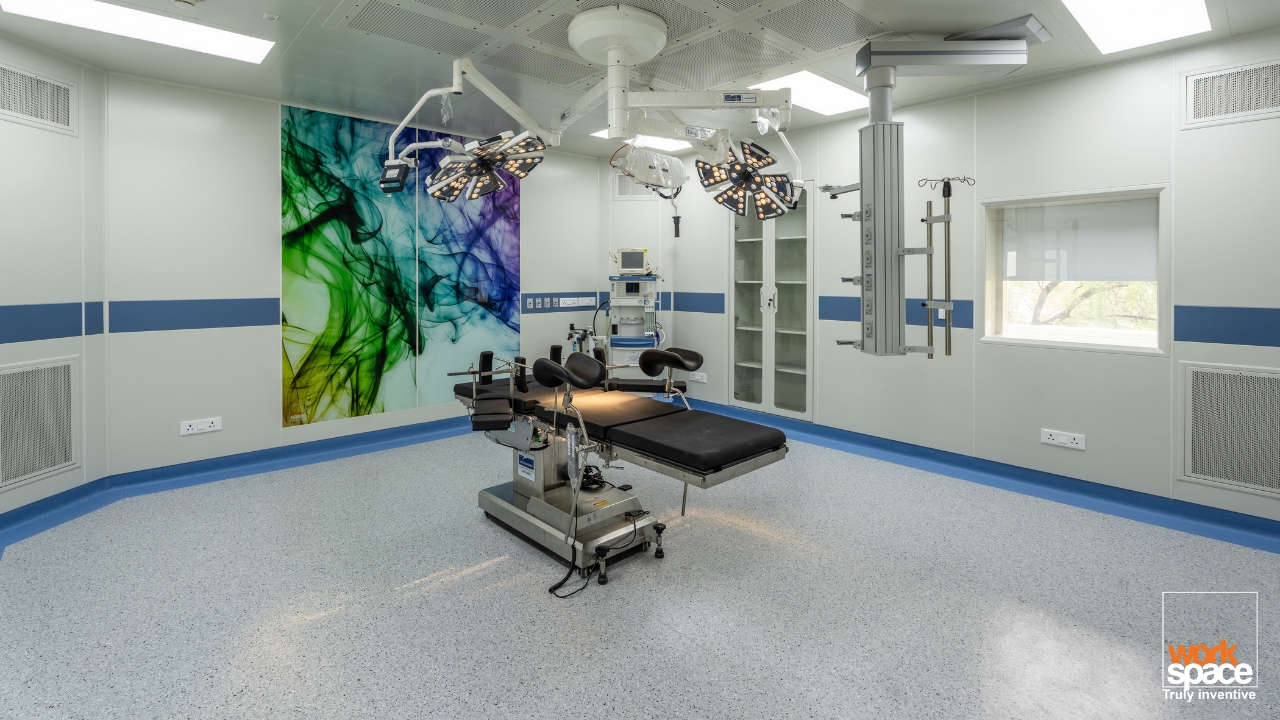
Evaluate the Quality of OT Equipment
The quality of operation theatre equipment directly affects its usability, durability, and suitability for the clinical environment. Hospitals should review the materials, construction, maintenance requirements, and specifications of the products being offered.
Depending on the project, an operation theatre may require:
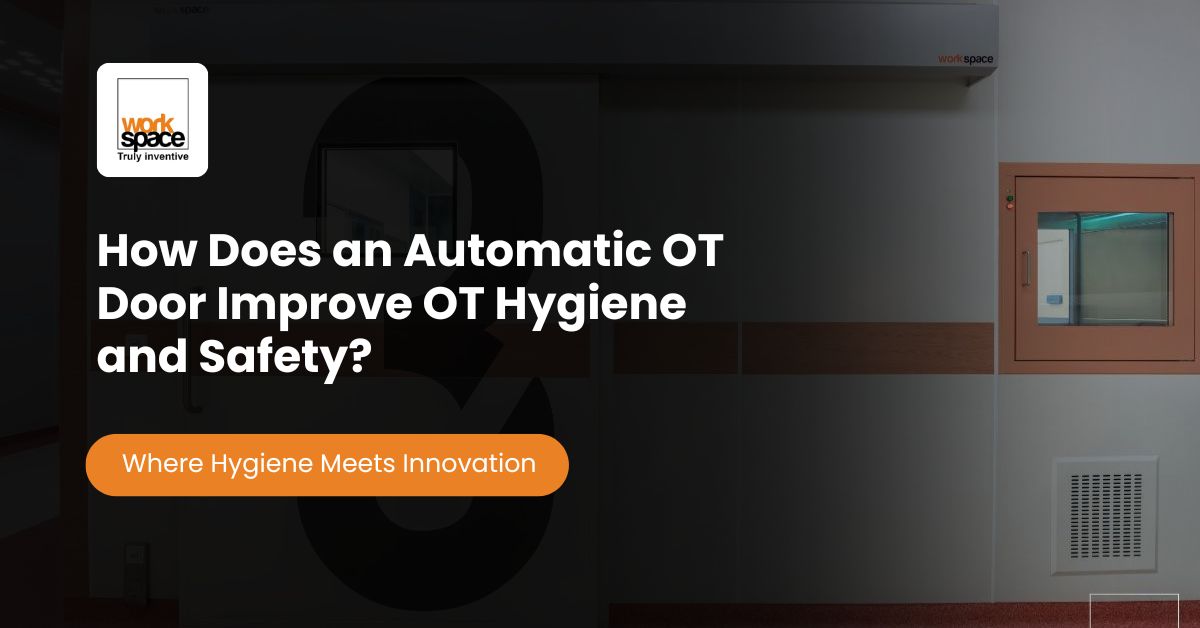
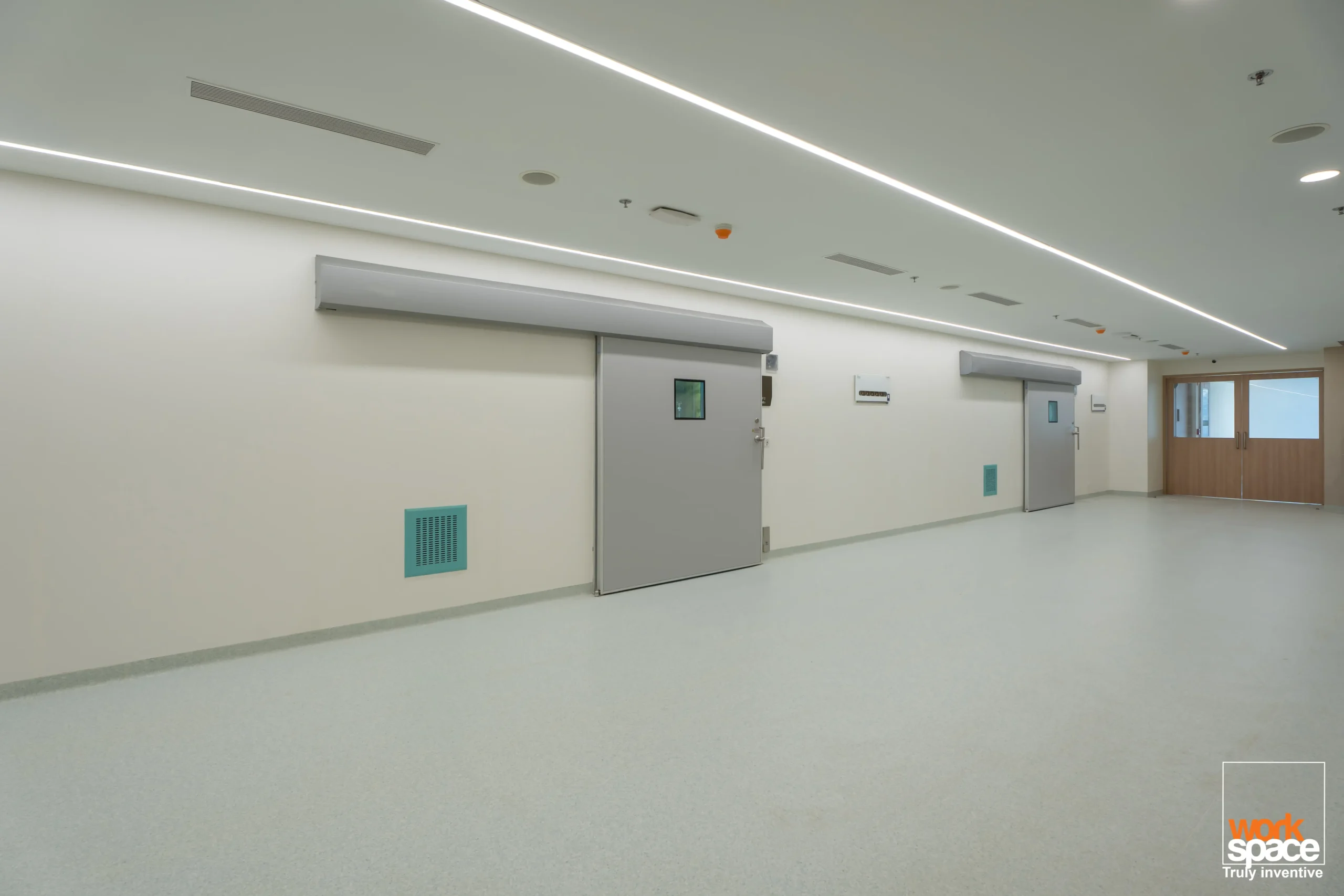
Hermetically sealed or other suitably specified OT doors
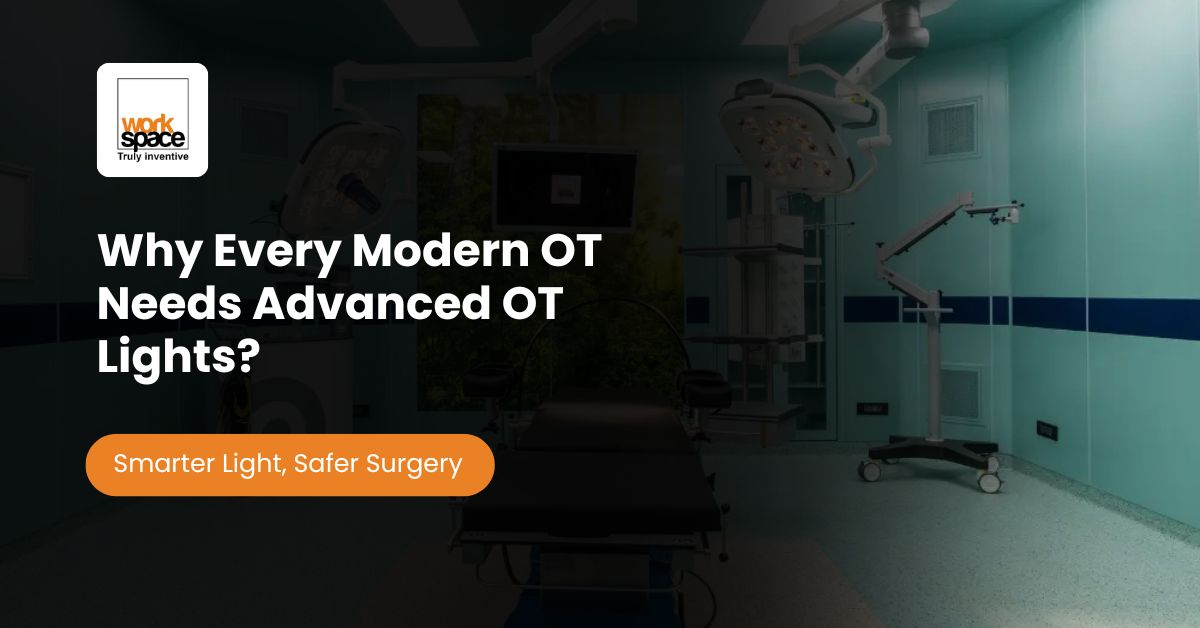
Operating theatre lights
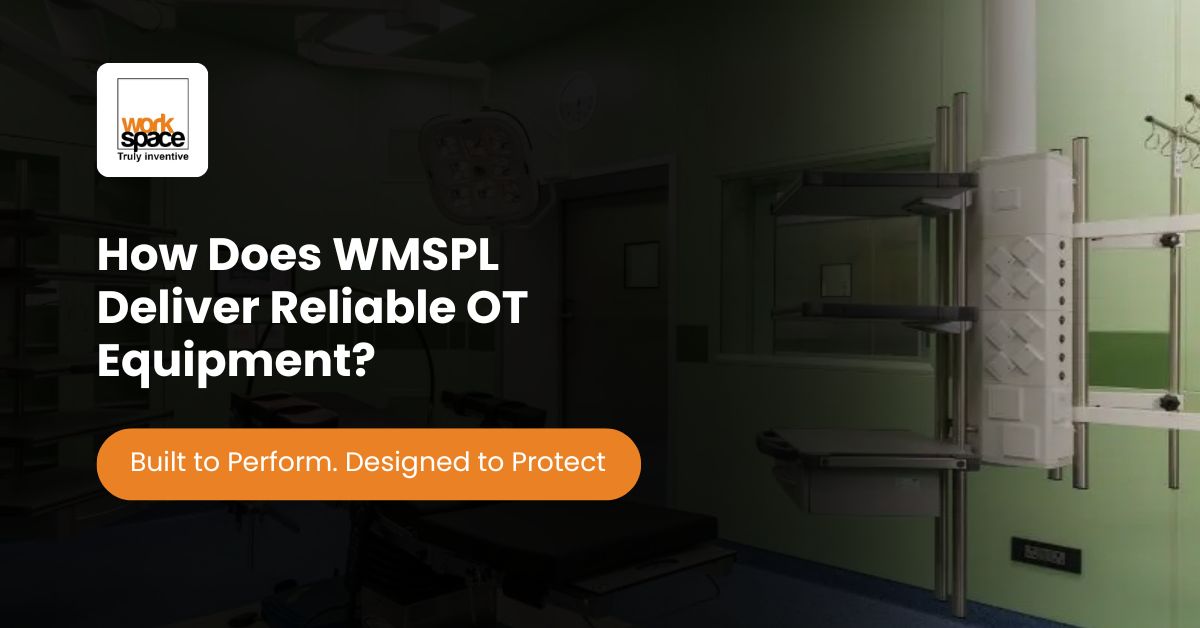
Surgical pendants
Scrub sinks
Pass boxes for designated transfer requirements
Laminar airflow systems, where specified by the project
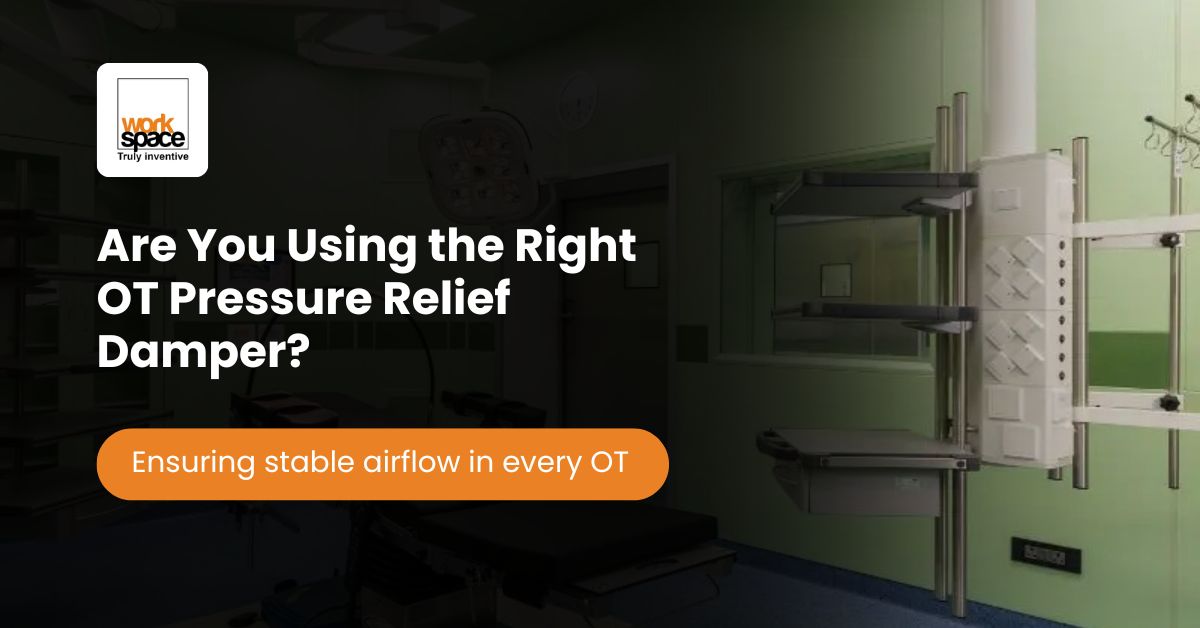
Pressure relief dampers and other supporting components
Not every operation theatre needs the same equipment. The final selection should be based on clinical requirements, applicable standards, and the hospital’s technical specifications.
Consider Manufacturing Experience and Customisation
An established operation theatre manufacturer should be able to understand project drawings, technical specifications, and site conditions before finalising the proposed solution.
Customisation is particularly useful when hospitals have limited space, specialised surgical requirements, or existing infrastructure that must be retained. Suitable adjustments to equipment dimensions and placement can help make the room more practical for everyday use.
Hospitals should ask manufacturers about their previous projects, product range, quality checks, and ability to coordinate with architects, hospital consultants, and other contractors.
This information helps decision-makers assess whether a manufacturer can meet the project’s requirements.
Review Supply and Installation Support
Even well-designed equipment needs proper installation. Delays in delivery or coordination can affect the overall hospital project schedule.
Before placing an order, confirm the expected delivery timeline, installation responsibilities, site readiness requirements, and coordination process. It is also important to understand what documentation, testing, and handover support will be provided.
A manufacturer that offers coordinated design, manufacturing, supply, and installation can make project communication easier. However, hospitals should clearly define the scope of work and responsibilities of every contractor before starting the project.
Why Choose Workspace Metal Solutions
Workspace Metal Solutions Pvt. Ltd. offers top-notch components for OT assembly and production. With more than 12 years of experience, the company creates OT setups that are tailored to international standards and come with laminar air flow systems. These solutions enhance surgical results, safeguard vital OT equipment, and guarantee sterile conditions.
Frequently Asked Questions (FAQ)
An operation theatre manufacturer provides specialised products and solutions used in surgical environments. Depending on its scope, this may include OT doors, operating lights, scrub sinks, surgical pendants, pass boxes, and related equipment.
Review the manufacturer’s product quality, technical capabilities, customisation options, project experience, installation support, warranty, and after-sales service. Always compare quotations based on specifications rather than price alone.
Requirements vary by surgical speciality and hospital design. Common equipment includes operating lights, OT doors, surgical pendants, scrub sinks, and other components selected according to the clinical and technical requirements.
A well-planned design helps organise equipment, improve movement within the room, support cleaning requirements, and create a practical working environment for surgical teams.
WMSPL offers a range of operation theatre-related products, including OT doors, operating theatre lights, scrub sinks, pass boxes, surgical pendants, and other specialised healthcare equipment. Hospitals can contact WMSPL to discuss product availability and project-specific requirements.