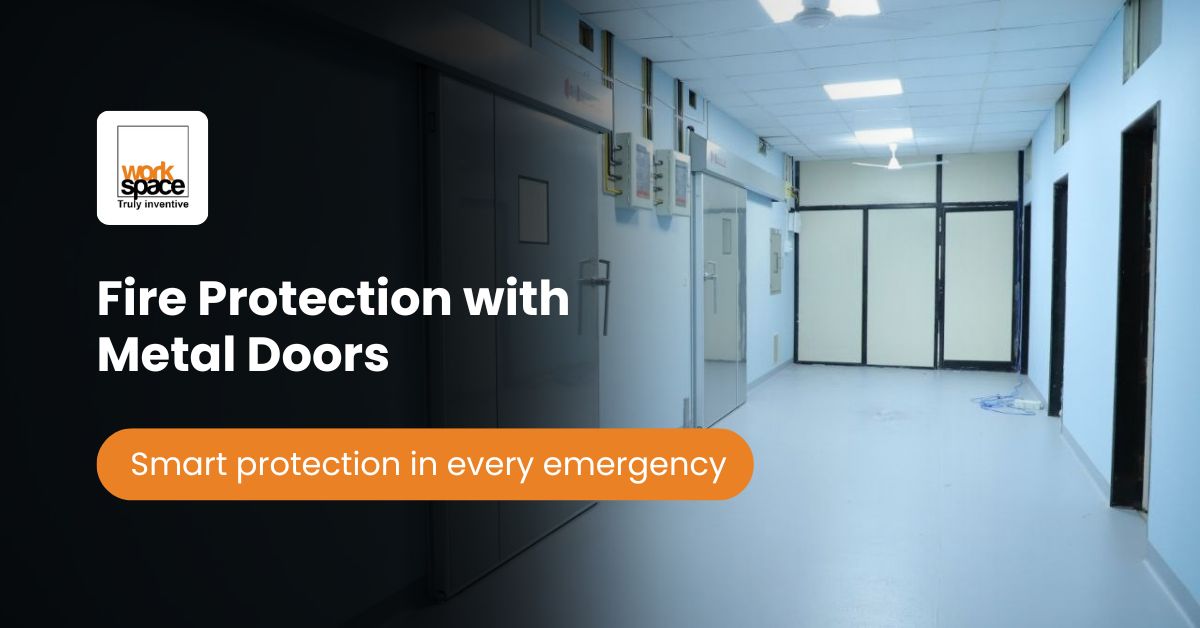
Imagine the calm of a hospital corridor, punctuated only by the soft hum of life-saving equipment. Behind every doorway lies more than just infrastructure—it harbors the wellbeing of patients who may be unconscious, immobile, or on life support. In such high-stakes environments, Metal Fire Door systems are not merely structural installations—they are active participants in patient safety protocols.
Shielding Vulnerable Lives with Effective Doors
Unlike commercial or residential buildings, hospitals are dynamic places, where many occupants cannot live independently. Pediatric wards, intensive care units, operating theatres—each hosts individuals who rely entirely on medical staff during emergencies. In these moments, time becomes the most critical commodity.
A well-installed Metal Fire Door is engineered to resist fire and smoke penetration for up to 30, 60, 90, or 120 minutes depending on the door’s rating. But these numbers are more than standards—they represent time gained to:
- Keep emergency response teams informed.
- Safely transfer immobile patients
- Keep important equipment safe.
- Minimize damage to property
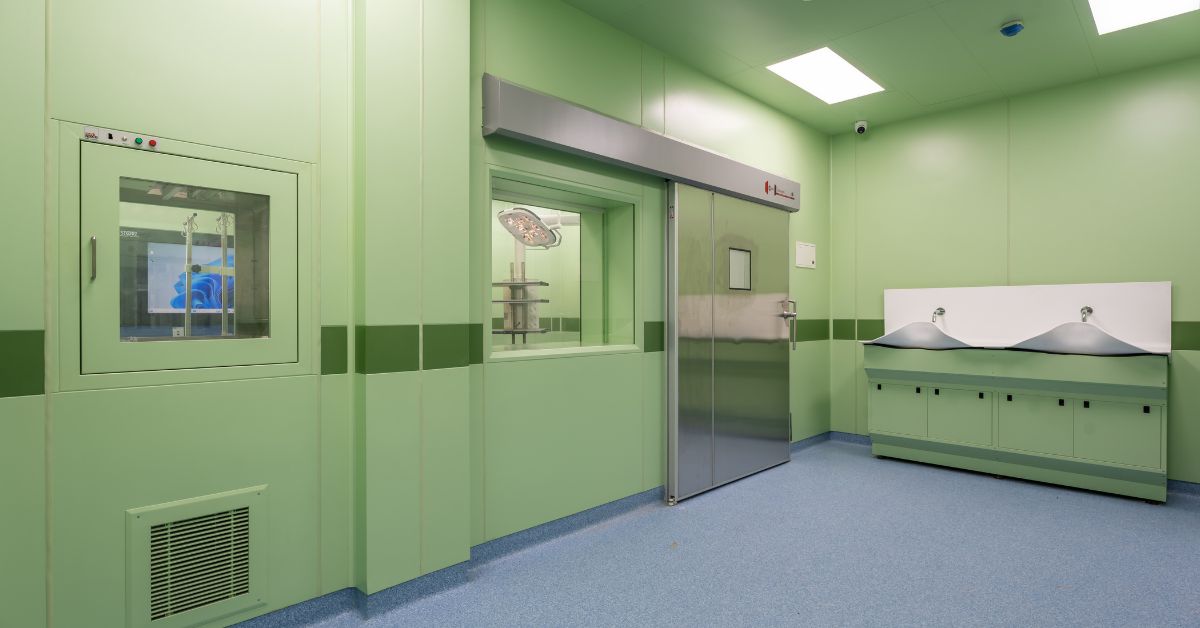
The Dual Power of the Emergency Exit Door
Fire-rated doors are designed to contain fire, but Emergency Exit Doors serve an equally critical purpose—enabling swift and organized evacuation. In healthcare environments, where confusion can escalate quickly, these doors must perform flawlessly.
Outward-opening models fitted with panic bars ensure rapid, intuitive egress, even under high-pressure conditions. Today’s emergency doors in hospitals are often dual rated, engineered to deliver both fire containment and safe exit in one integrated solution. This dual functionality allows healthcare facilities to depend on a single system that upholds both protection and accessibility—without compromise.
Integrating Door Systems into Hospital Design
Proper implementation of fire safety doors in healthcare architecture is not an afterthought—it must be planned at the design stage. A coordinated fire safety strategy includes:
Strategic placement: Patient care areas and high-risk locations, such as labs or electrical rooms, should be divided by fire-rated doors.
Departmentalization: This reduces the need for full-building evacuations by essentially making each department its own safe area.
Clear egress routes: Unobstructed emergency exit, lights, and signs Door access allows residents to be easily guided in an emergency.
Maintenance Is the Lifeline of Door Performance
A fire door’s effectiveness diminishes if its components are worn out, misaligned, or tampered with. Continuous functionality is non-negotiable. Hospitals must implement strict maintenance protocols that include:
Visual Checks Every Month: Look for indications of tampering or deterioration on door edges, frames, closing mechanisms, and fire labels.
Functional Testing: Verify that seals are intact and self-closing mechanisms are working. The complete fire defense system is automatically compromised by any door that does not latch.
Professional Repairs: To maintain both fire rating and regulatory compliance, only authorized materials and certified personnel should be used for any modifications or repairs.
Integrated Alarm Response: Make sure hold-open devices are connected to fire detection systems so that, in the event of an alarm, doors will immediately close.
Why Fire Exit Door and Safety Door Matter Too
The terms Metal Fire Door, Fire Exit Door, and Safety Door are often used interchangeably, but they serve distinct roles in a layered fire protection plan:
A Metal Fire Door resists fire and smoke, protecting internal spaces.
A Fire Exit Door offers immediate, easy-to-use evacuation routes.
Often used for general protection, a safety door separates areas like generator rooms, oxygen tanks, and storage areas for hazardous objects.
Real-World Scenarios with Life-Saving Impact
Fire safety door systems have repeatedly demonstrated their impact in high-risk events:
Fires in operating rooms: Even a small fire can produce enough smoke to fill the hallways. A sturdy metal door provides time for response while protecting patients in the vicinity.
ICUs with a lot of immobile patients: time is needed for evacuation. A metal fire door buys crucial minutes by establishing a temporary safe area.
Maintenance areas: Rooms containing electrical panels or oxygen tanks are extremely dangerous. Before things become more serious, fire-rated doors aid in separating these dangers.
Workspace Metal Solutions: Bringing Safety Through Design
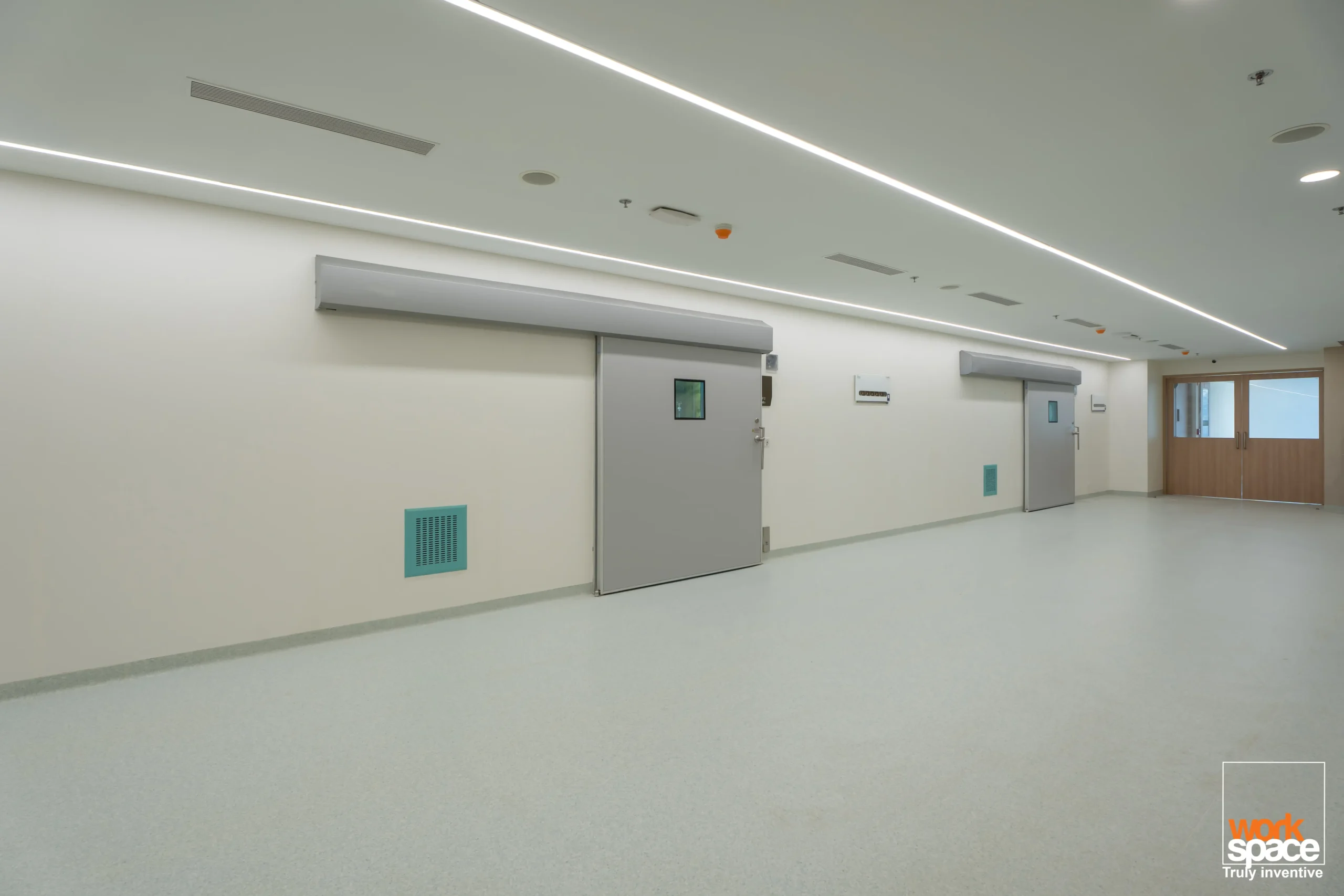
Workspace Metal Solutions Pvt. Ltd. delivers fire-rated metal door systems tailored for the specific needs of healthcare settings, including modular operation theatres, ICUs, and diagnostic zones. Every Metal Fire Door and Emergency Exit Door is developed to align with strict hospital safety standards, ensuring dependable performance during fire-related emergencies.
These doors are thoughtfully designed to fit within sterile and controlled environments, supporting both safety and workflow efficiency. Integrated into modular medical infrastructure, they contribute to infection control, smooth staff movement, and compliance with healthcare regulations—all while maintaining essential fire protection.
Frequently Asked Questions (FAQ)
It should maintain its fire-resistance rating, close automatically, handle repeated use, and meet standards such as IS 3614 or equivalent.
Yes, if it meets both fire-resistance and egress requirements, it can serve dual purposes.
At least once a year, or after any fire alarm activation, visible damage, or nearby renovation.
Only when linked to the fire alarm system—manual propping is unsafe and non-compliant.
Only certified fire door inspectors or manufacturers’ representatives should conduct repairs, using original and tested components to maintain compliance.